
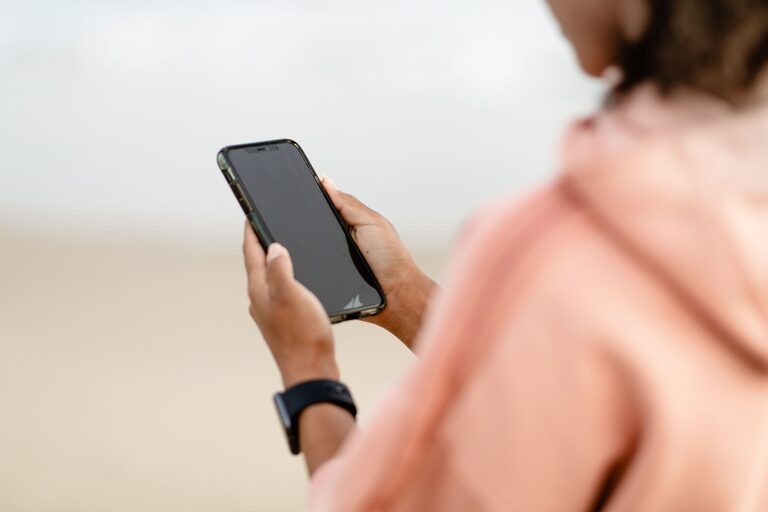
In today’s connected world, smartphones have become essential tools for communication, work, and entertainment. However, excessive or unhealthy phone use can sometimes lead to distractions, stress, and reduced productivity. Developing and maintaining healthy phone habits can help you enjoy the benefits of your device while safeguarding your well-being.
This guide offers practical advice on how to cultivate balanced phone use that supports your daily life without overwhelming it.
Why Healthy Phone Habits Matter
Smartphones offer incredible convenience, but constant notifications and screen time can interfere with:
– Sleep quality
– Focus and concentration
– Face-to-face relationships
– Mental and emotional health
When phone use becomes automatic or excessive, it can cause stress or feelings of being overwhelmed. By setting boundaries and being mindful of your habits, you can use your phone intentionally and avoid potential drawbacks.
Tips for Developing Healthy Phone Habits
1. Set Specific Phone-Free Times
Designate parts of your day when you avoid phone use entirely. This might be during meals, the first hour after waking, or the last hour before bed. Phone-free zones create space for:
– Quality time with family or friends
– Relaxation and mindfulness
– Uninterrupted work or hobbies
2. Use Screen Time Tracking Tools
Many smartphones offer built-in tools to monitor screen time and app usage. Use these features to:
– Understand how much time you spend on your phone
– Identify which apps consume the most time
– Set daily limits to stay within healthy boundaries
3. Limit Notifications
Notifications can disrupt your focus and increase stress. Customize your settings to:
– Turn off non-essential notifications
– Use “Do Not Disturb” mode during work or rest
– Group notifications to check them less often
4. Create a Morning and Evening Routine Without Screens
Starting and ending your day without immediately reaching for your phone can improve your mental clarity. Consider:
– Reading a book, journaling, or meditating in the morning
– Avoiding screens 30 minutes before bedtime to promote better sleep
5. Prioritize Meaningful Communication
Use your phone for quality interactions rather than passive scrolling. Try to:
– Make calls or video chats with friends and family
– Engage in conversations instead of just browsing social media
– Schedule regular in-person meetings when possible
6. Keep Your Phone Out of Reach During Focused Activities
When working, studying, or spending time on hobbies, keep your phone in another room or on silent mode. This helps you:
– Reduce distractions
– Increase concentration
– Complete tasks more efficiently
7. Practice Digital Decluttering
Regularly review and organize your phone to make it more user-friendly. This can include:
– Deleting unused apps
– Organizing apps into folders
– Clearing old messages and files
Managing Phone Use for Better Sleep
Smartphones emit blue light that can interfere with your sleep cycle. To protect your rest:
– Use blue light filters or “night mode” in the evening
– Avoid screens at least 30 minutes before bed
– Charge your phone outside the bedroom if possible
Encouraging Healthy Phone Use in Children and Teens
Parents can support healthy digital habits by:
– Setting clear screen time limits
– Encouraging offline activities and outdoor play
– Modeling balanced phone use themselves
– Discussing the importance of privacy and online safety
Signs You Might Need to Reassess Your Phone Habits
Consider adjusting your habits if you notice:
– Difficulty concentrating without checking your phone
– Feeling anxious or stressed when separated from your device
– Losing track of time during phone use
– Neglecting responsibilities or relationships due to screen time
Final Thoughts
Phones are valuable tools that can enhance our lives when used thoughtfully. By establishing healthy phone habits, you can reduce distractions, lower stress, and improve your overall well-being. Start with small changes, stay consistent, and enjoy a better balance between your digital and real-world experiences.